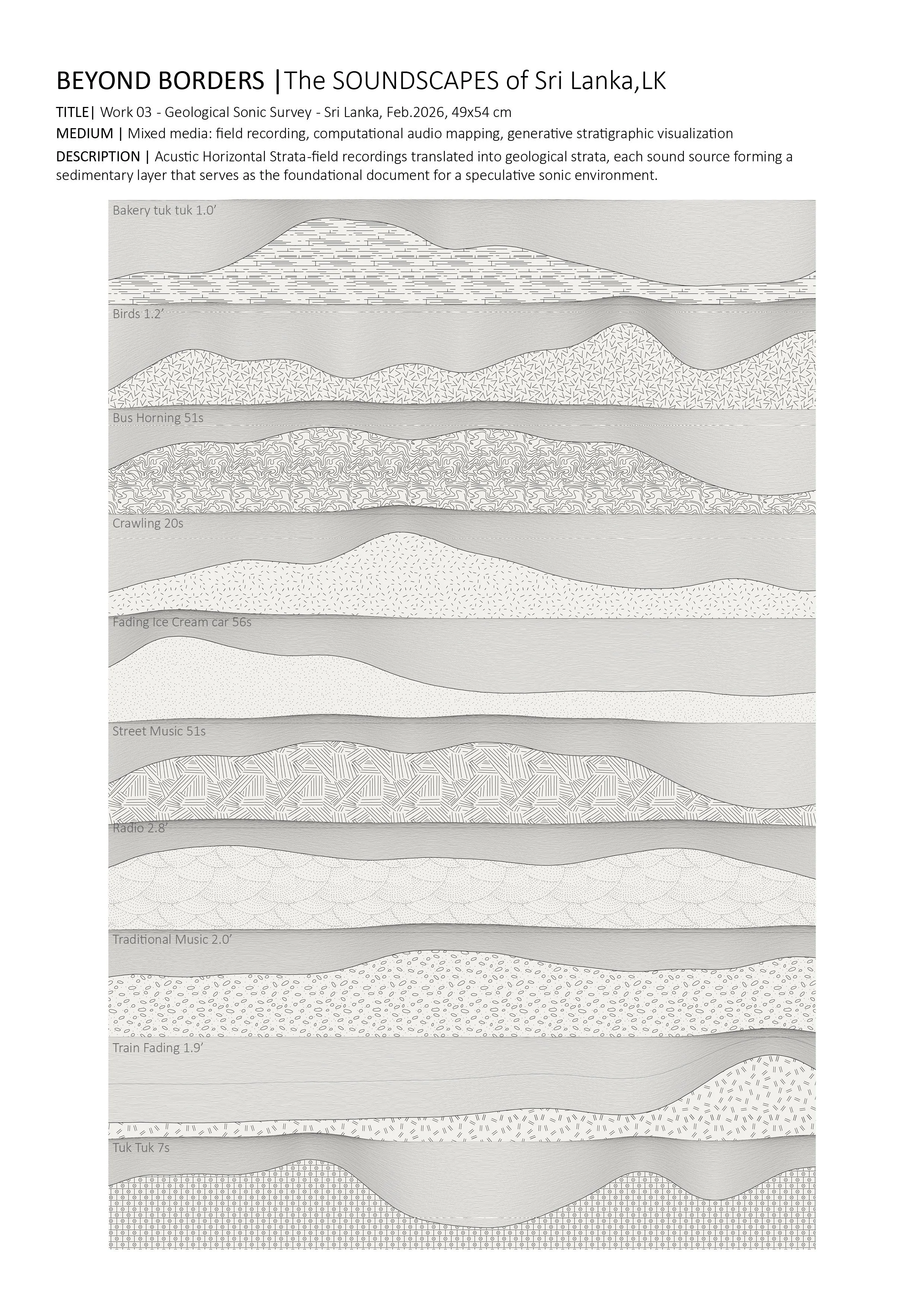
Beyond Borders | The Soundscapes of Sri Lanka
- series 02 -
Location: Sri Lanka
Type: Entry for Arquine Competition No.28 | MEXTROPOLI Pavilion 2026
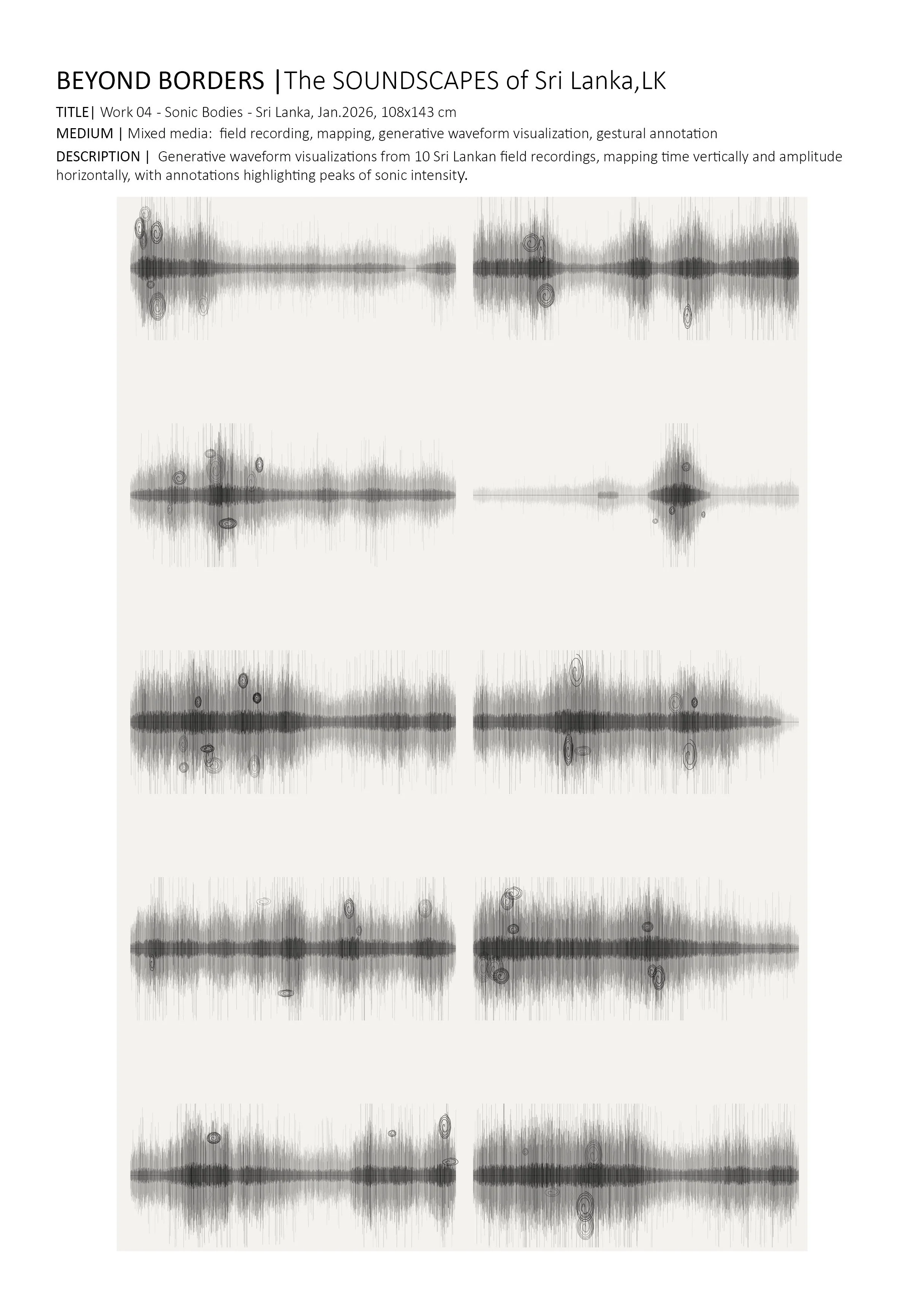
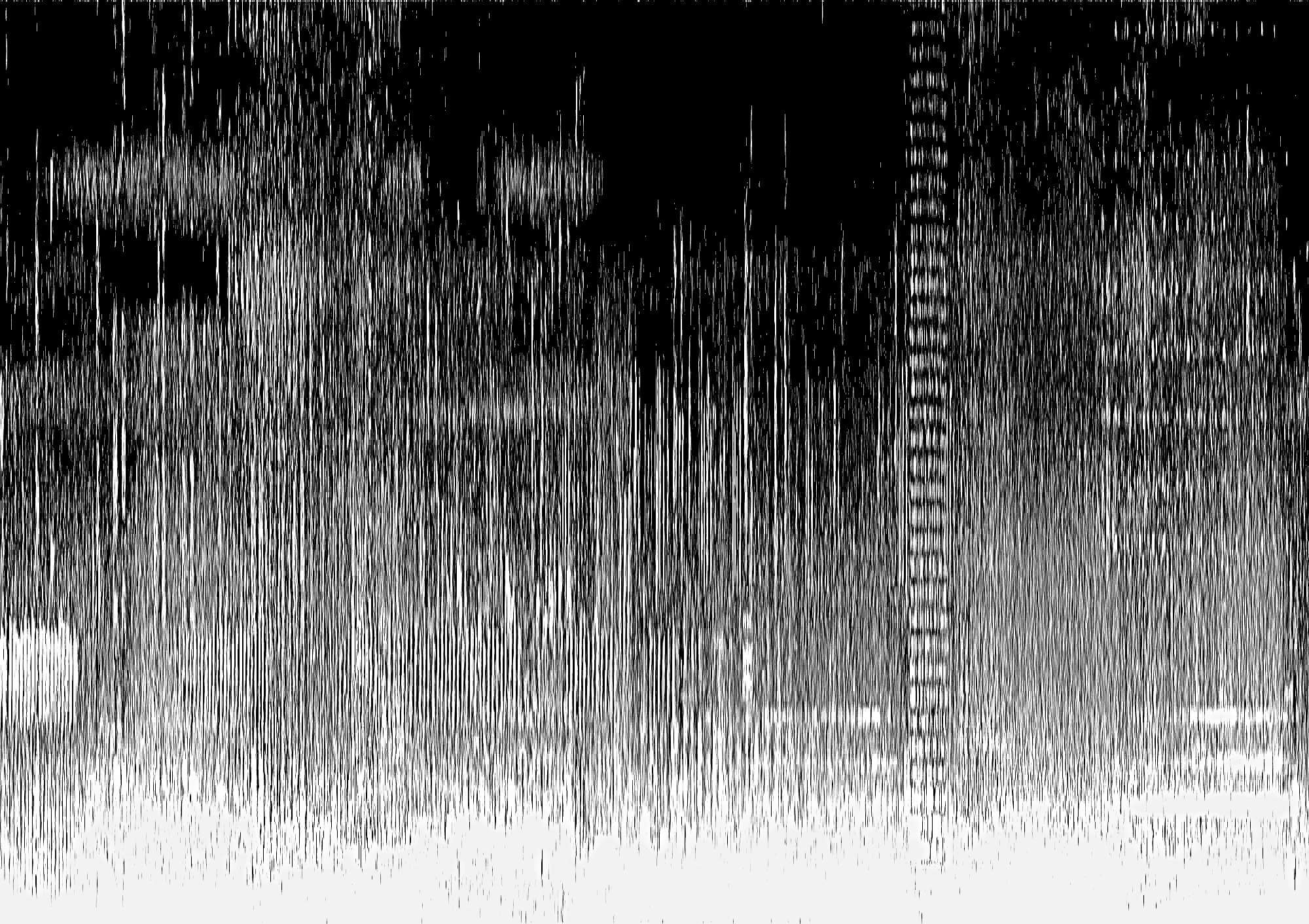
Medium: field recording, computational audio mapping, audio composition, generative spectrogram, generative waveform visualization, audio composition, generative spectrogram, sound visualization
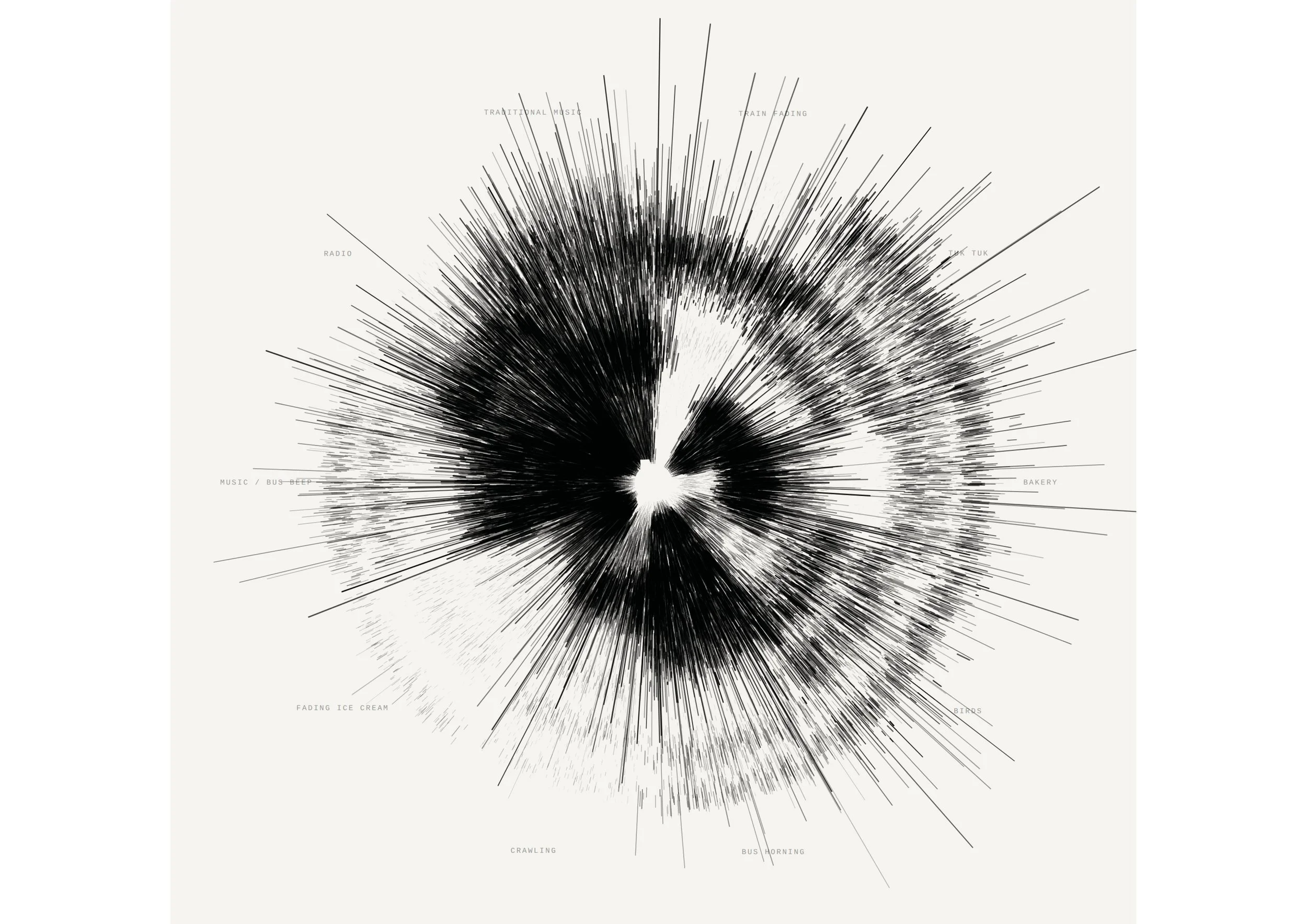
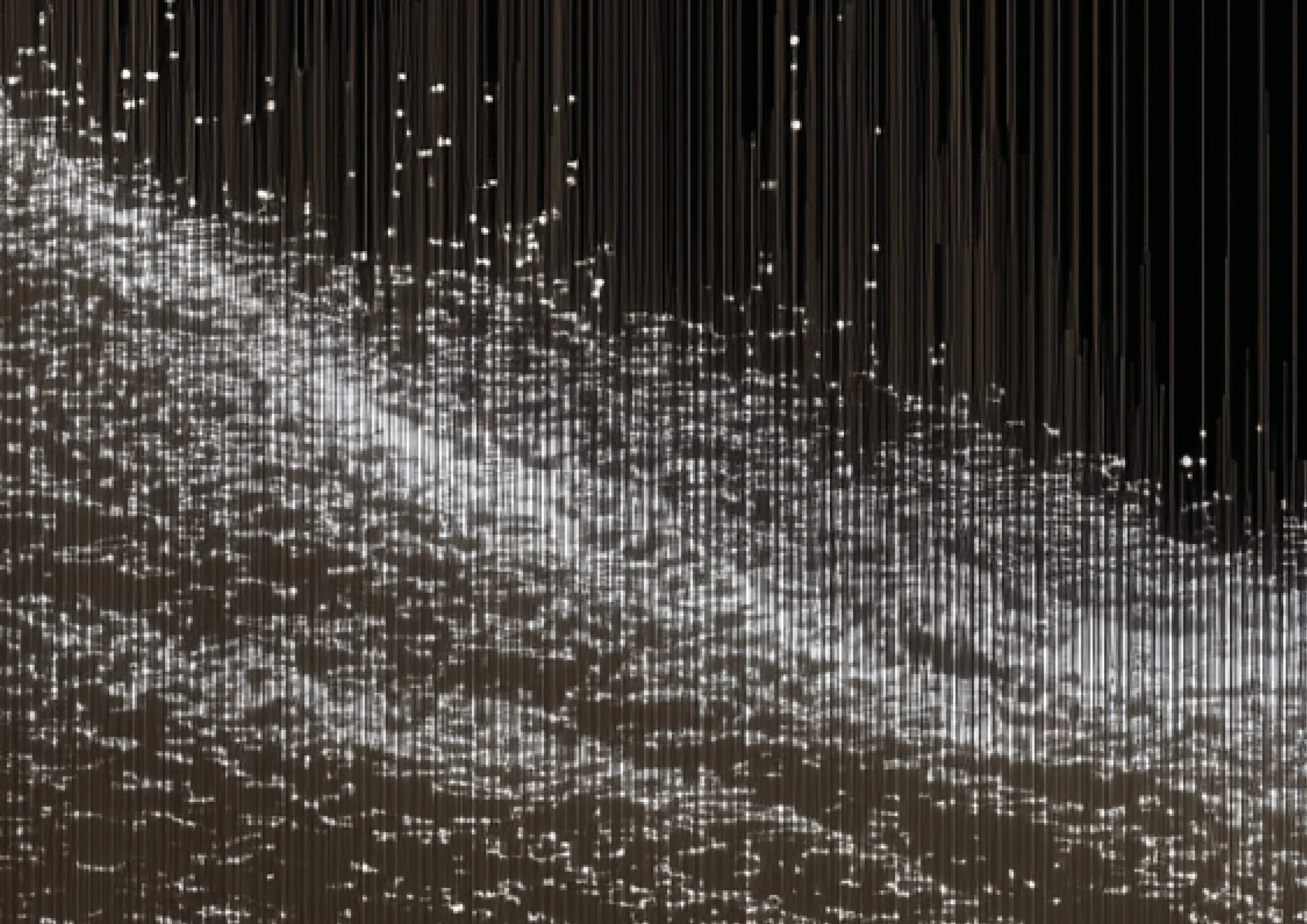
Description: Extending the “Beyond Borders” framework across geographies, this project approaches Sri Lanka as a living sonic landscape shaped by rhythm, frequency and silence. Through field recordings, everyday sounds are transformed into spatial elements, revealing the island as a dynamic sense-scape. The outcome is a three-dimensional mapping of sound and time, translating collective memory into a visual and spatial experience that invites a deeper and more attentive listening to place
Completion: March 2026-now
CONCEPT |
The Soundscape extends the Beyond Borders framework across time and geography, shifting the investigation from the African continent toward Asia through the sensory language of rhythm, frequency, vibration and silence. Developed in Sri Lanka, the project approaches the island not as a fixed territory, but as a living sonic-cultural landscape - a continuously shifting composition shaped through memory, movement, ritual, infrastructure, ecology and everyday life.
Sri Lanka does not begin with sight. It begins with sound: layered, dense and atmospheric, a living architecture that emerges before the eye fully adjusts. The project enters this invisible architecture through attentive listening, exploring how sonic fragments construct collective spatial identity. The morning call of a bakery tuk-tuk, distant temple chants, bird frequencies woven through tropical vegetation, aggressive bus horns cutting through urban congestion, the deceptive silence of forests that are never truly silent - together, these moments form an acoustic cartography of the island.
Rather than documenting sound as passive archive, The Soundscape transforms listening into spatial investigation, proposing sound as a medium capable of revealing invisible relationships between territory, culture, memory and presence.
SONIC LANDSCAPE AND PROCESS |
The project treats the island as a sense-scape - a terrain composed through frequencies, resonances, interruptions and atmospheres. Field recordings become raw spatial material, collected across urban centers, coastal territories, forests, roads, markets, religious sites and transitional spaces. Through processes of stretching, layering, compression, isolation and modulation, the recordings are transformed beyond direct documentation into immersive sonic structures.
What was once ambient becomes monumental. Background noise shifts into foreground presence. Invisible vibrations acquire spatial density and temporal depth. The work investigates how sound shapes emotional perception of place, revealing hidden rhythms embedded within collective daily life.
The resulting compositions exist between installation, spatial mapping and sensory archive. Neither purely documentary nor music, the project constructs an alternative form of cartography - one drawn entirely through frequency, resonance, silence and duration. Sound becomes material, capable of generating spatial awareness beyond visual representation.
GENERATIVE TERRAIN & SPATIAL DESIGN |
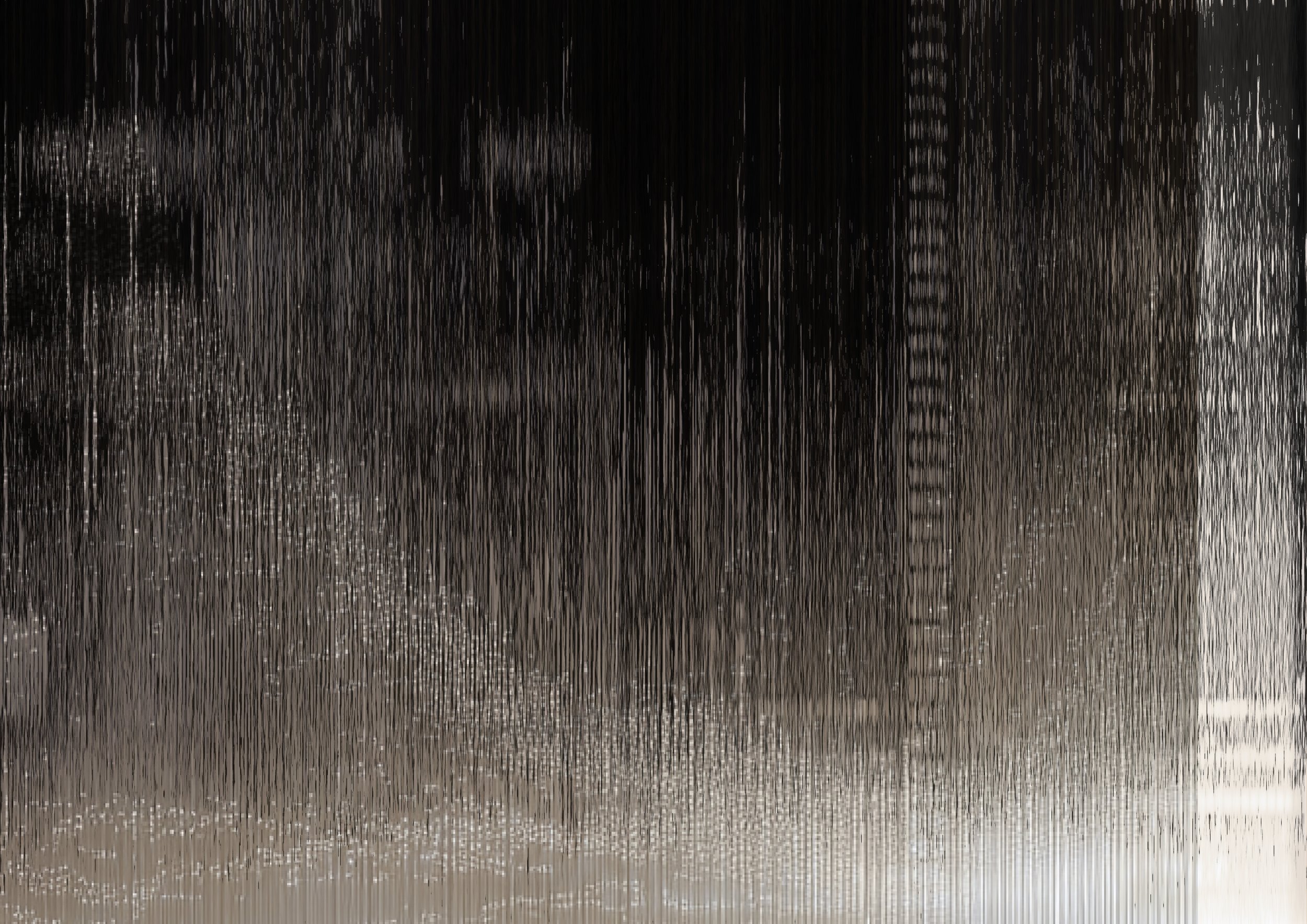
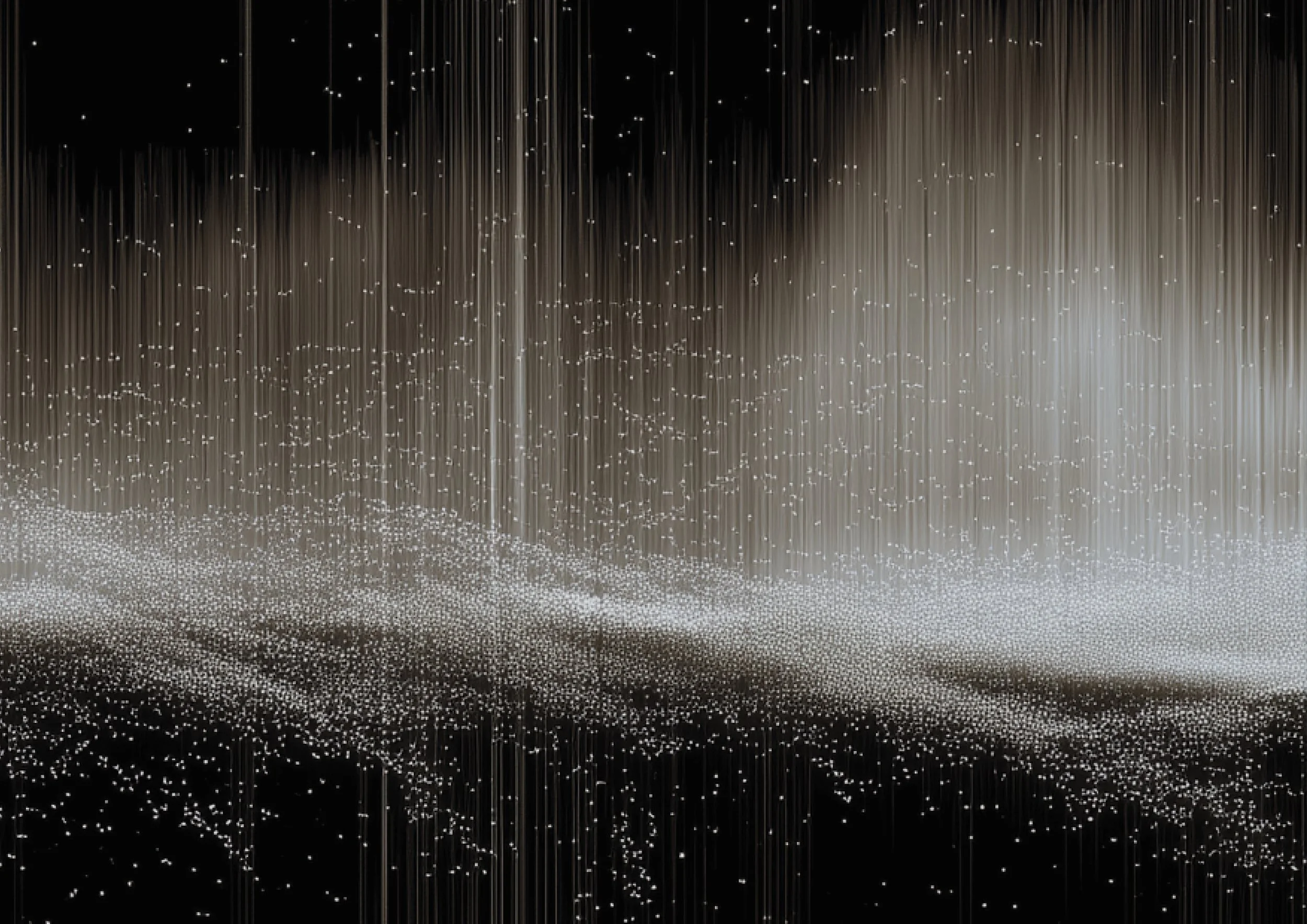
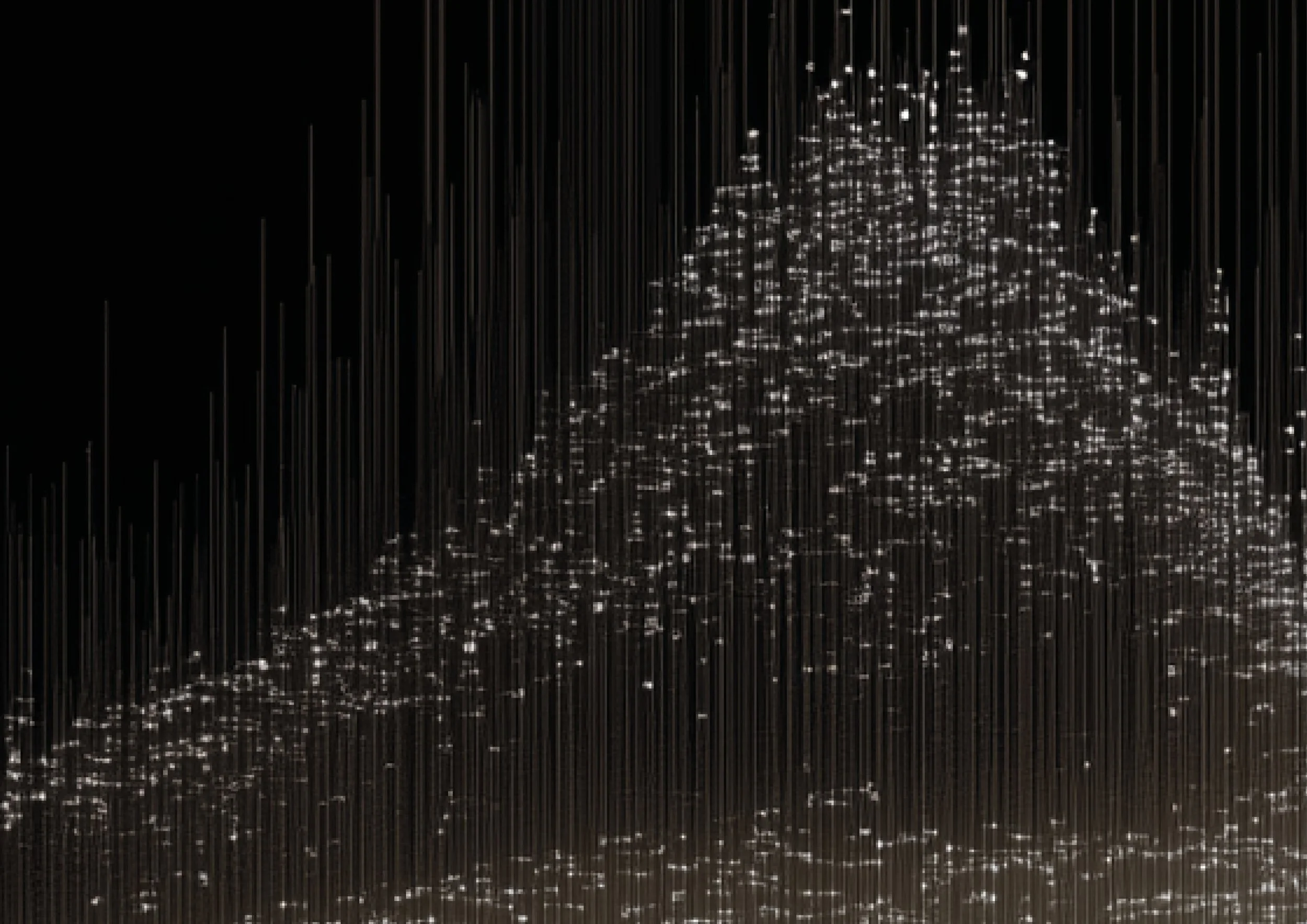
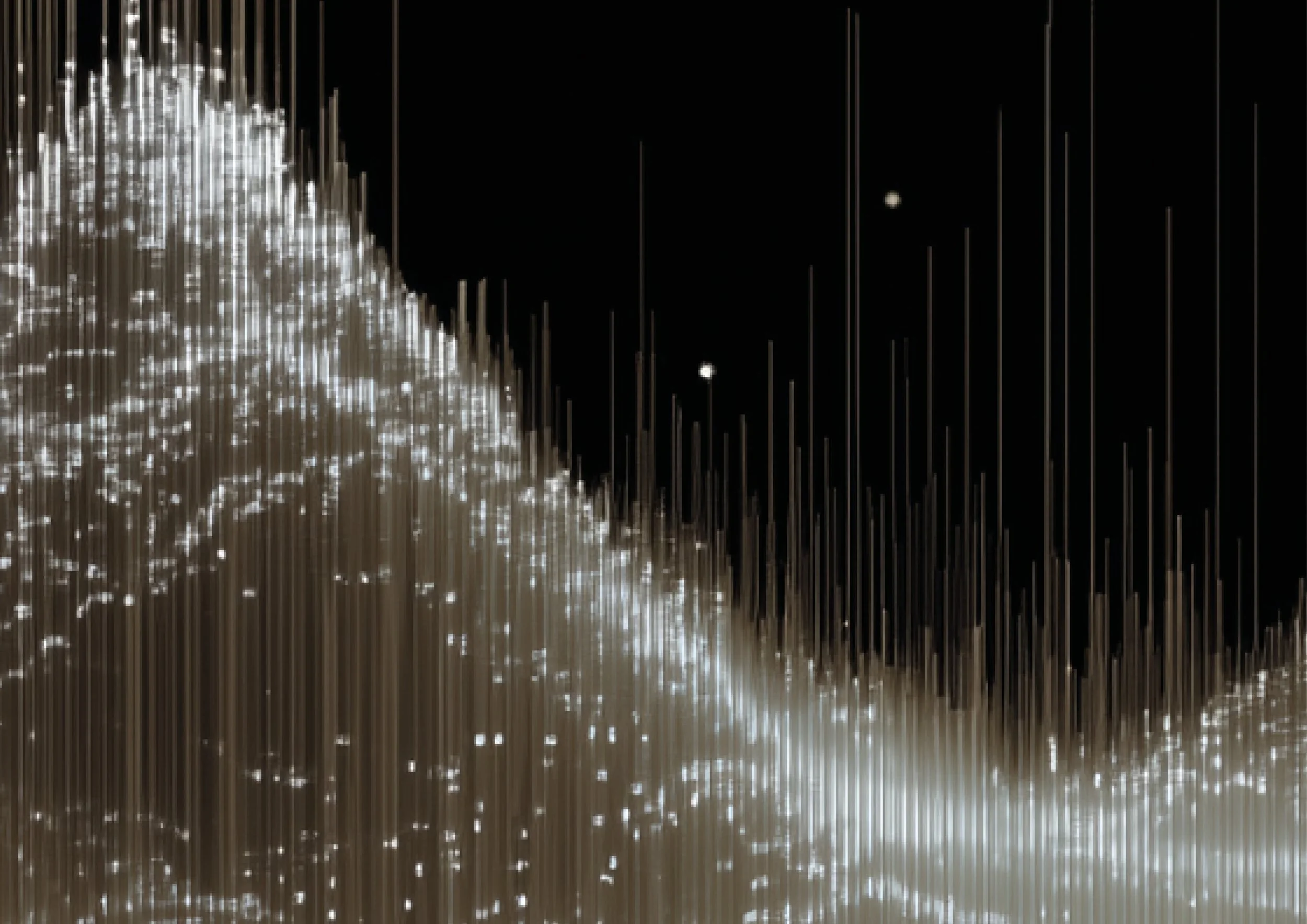
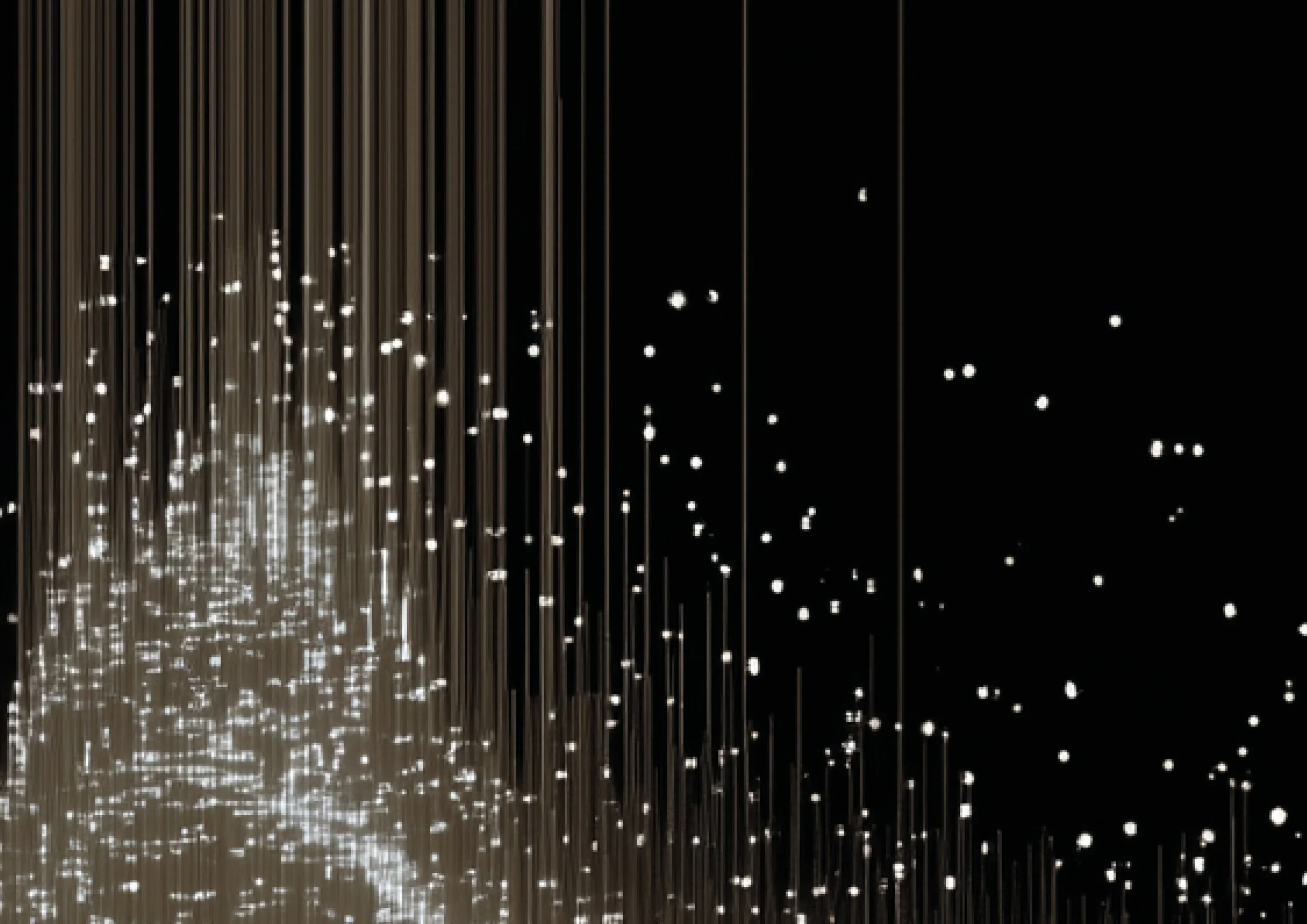
Expanding beyond sound composition, the project translates acoustic information into generative spatial design. Frequencies, amplitudes, pauses and sonic intensities are transformed into digital terrains and evolving topographies, creating immersive environments where sound directly shapes spatial form. The invisible becomes architectural.
Waveforms evolve into landscapes. Vibrational densities generate elevations, voids, fractures and flowing surfaces that behave like speculative terrains suspended between geography and data. Through generative processes, the project constructs a three-dimensional spatial language where sonic memory becomes inhabitable form.
The resulting environments blur distinctions between landscape, installation and digital ecology. Terrain is no longer produced through geological forces alone, but through rhythm, resonance and temporal experience. Sound acts as a generative agent capable of sculpting space itself, transforming auditory perception into physical and atmospheric architecture.
These spatial translations create immersive sensory environments where visitors move through frequencies materialized as topography - inhabiting spaces shaped by collective memory, ambient vibration and the invisible infrastructures of everyday life.
MEMORY AND FREQUENCY |
At the core of the project lies the idea of collective memory as acoustic phenomenon. Every territory carries frequencies shaped by ritual, labor, migration, climate, infrastructure, conflict, celebration and repetition. Through attentive listening, the project uncovers how seemingly ordinary sounds become emotional markers of belonging and cultural continuity.
Silence itself becomes an active component within the work - not absence, but tension, pause, anticipation and spatial depth. The project explores the relationship between noise and stillness, density and emptiness, compression and release, revealing how sonic environments continuously negotiate between chaos and rhythm.
The island emerges not as static geography, but as vibrational territory - an environment constantly produced through interaction between human presence, ecology, movement and time. Through sound, invisible systems of coexistence become perceptible.
REFLECTION |
The Soundscape proposes listening as a form of spatial and cultural understanding. Extending the Beyond Borders framework, the project shifts attention away from visual representation toward embodied sensory experience, investigating how territories can be understood through rhythm, vibration, atmosphere and generative transformation.
What emerges is a three-dimensional sonic identity of the island - a map composed entirely through frequency and time. By translating field recordings into immersive spatial compositions and generative terrains, the project invites viewers and listeners to inhabit the invisible architecture of place and to reconsider sound not as background condition, but as living material through which landscapes, memories and collective identities are continuously formed.