Beyond Borders | The Soundscapes of Zanzibar
- part 01 -
Location: Zanzibar, Tanzania
Type: part of the STAWI Residency - BEYOND BORDERS - Challenging Boundaries, Connecting Community, Culture, Identity and Environment
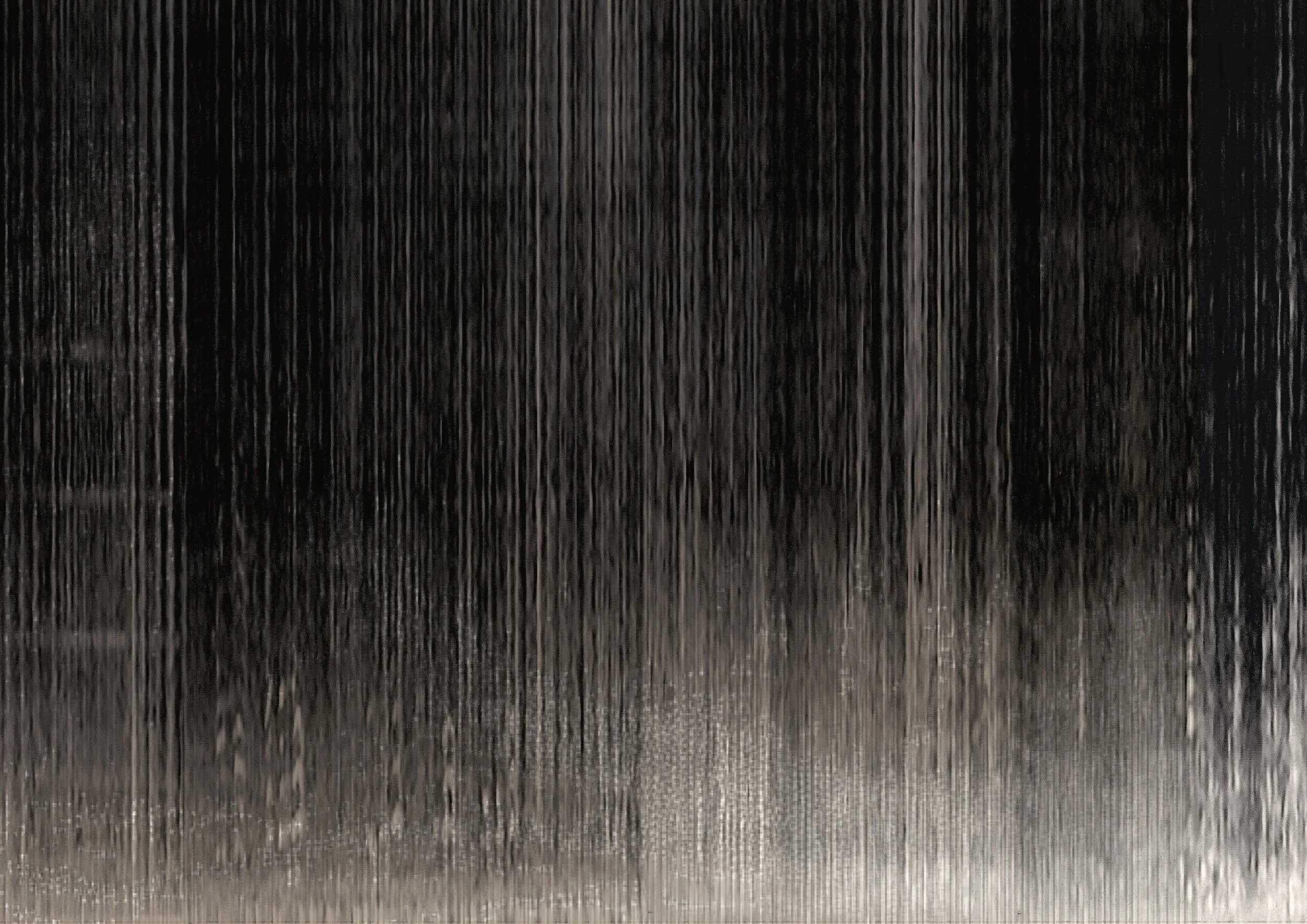
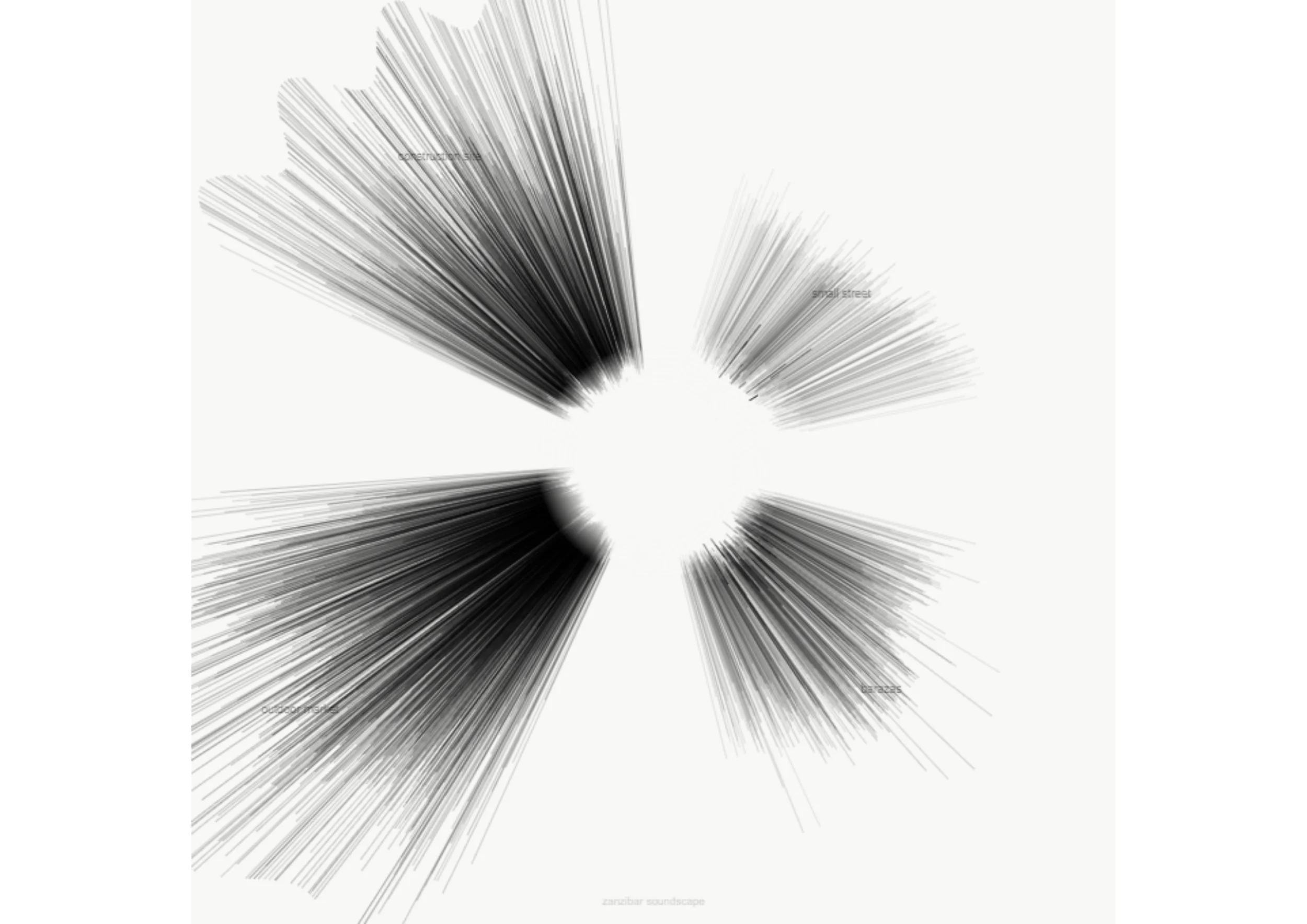
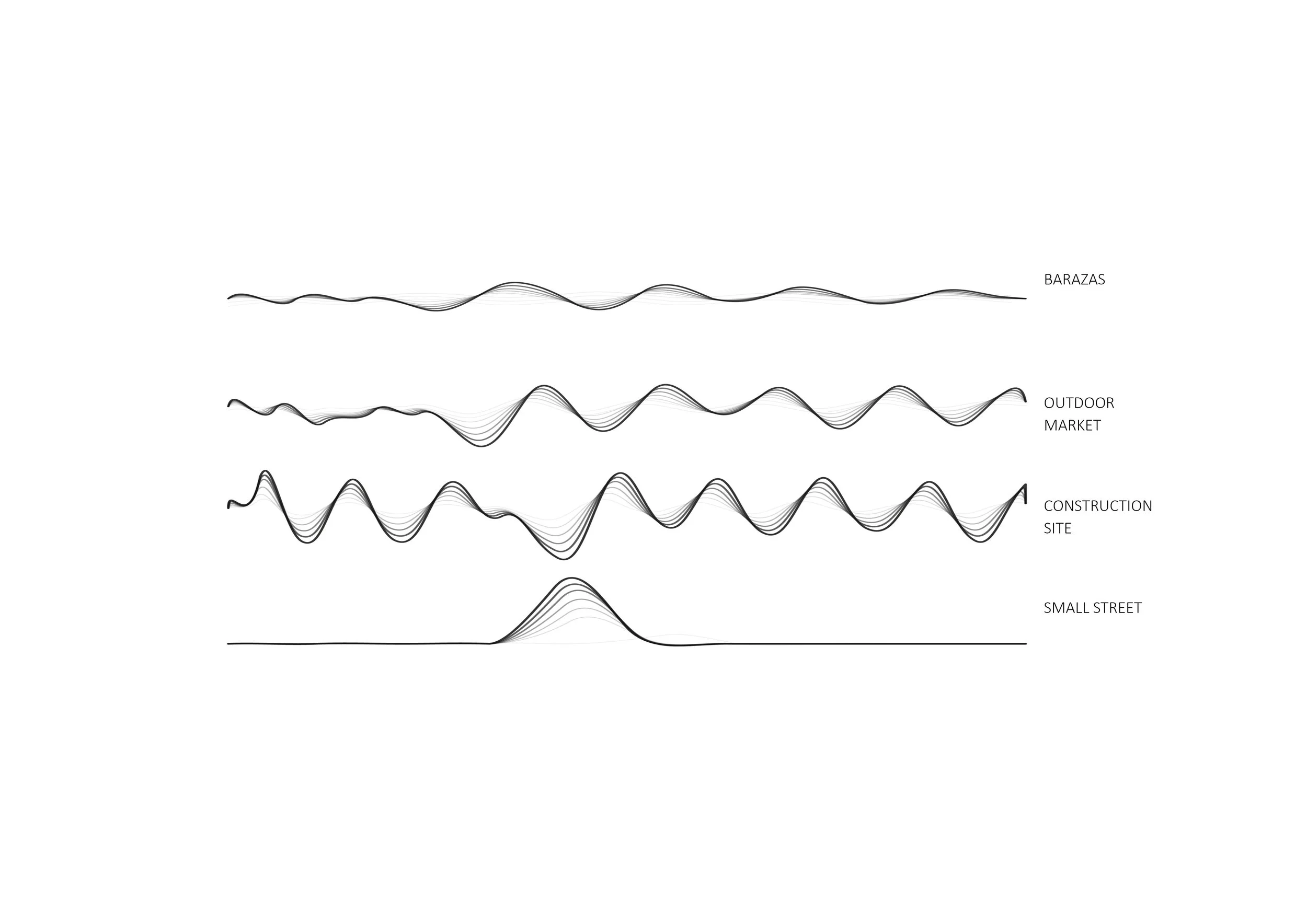
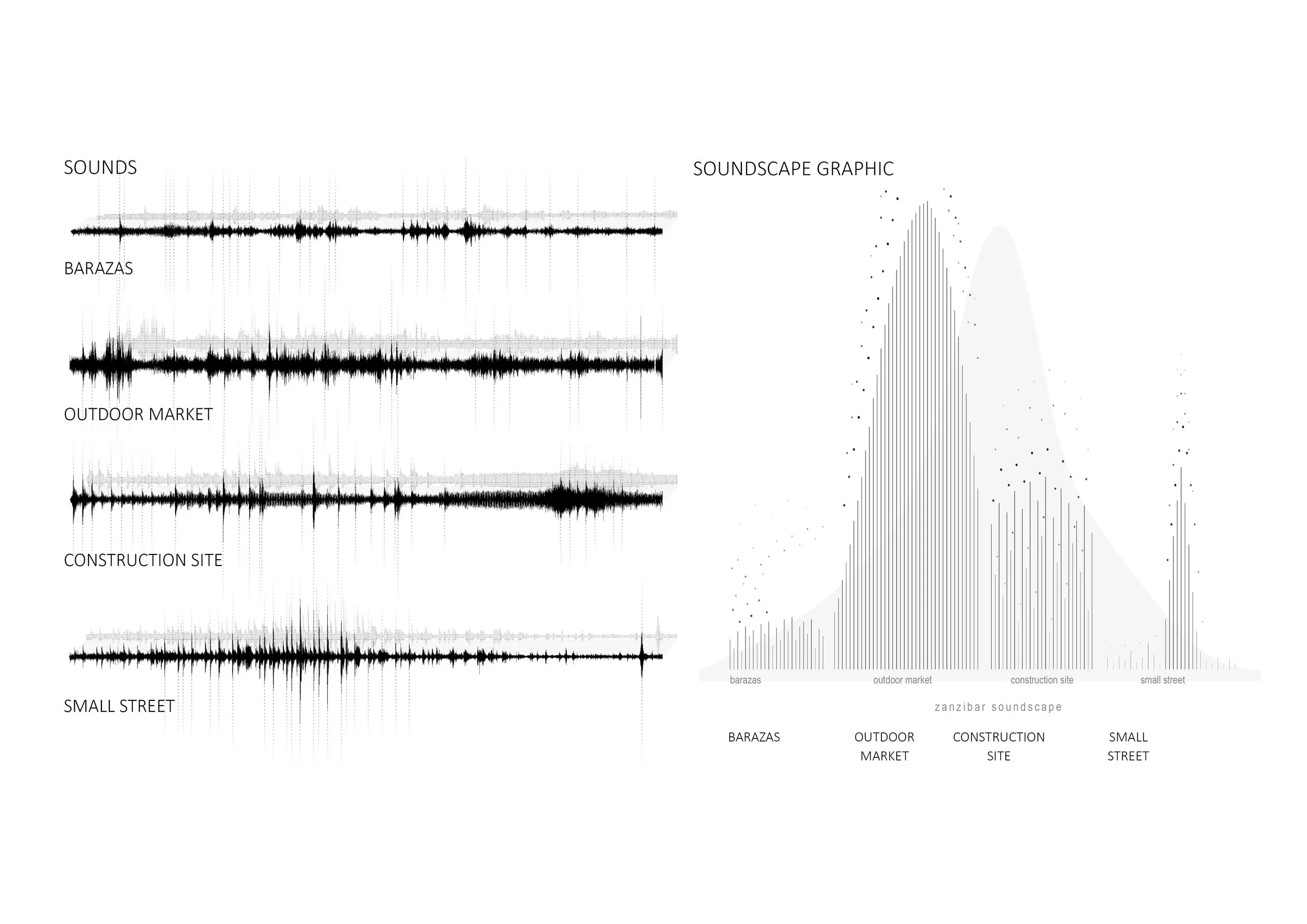
Medium: field recording, computational audio mapping, audio composition, generative spectrogram, generative waveform visualization, audio composition, generative spectrogram, sound visualization
Description: Part of “Beyond Borders,” a STAWI residency on regenerative tourism and community exchange, this project explores sound as a carrier of collective memory beyond physical and temporal boundaries. Through participatory workshops, Zanzibar’s soundscapes were mapped as layered cultural expressions, shifting focus from sight to listening. The resulting visual-sound series translates everyday rhythms and voices into reflections on identity, connection and belonging.
Completion: November 2024-February 2025
CONCEPT |
The Soundscapes of Zanzibar emerges as part of BEYOND BORDERS — Challenging Boundaries, Connecting Community, Culture, Identity and Environment, a STAWI residency grounded in regenerative tourism, cultural exchange, and community engagement. The project explores sound as a carrier of collective memory and as a medium capable of transcending physical, cultural, and temporal borders. Moving beyond visual representation, the work approaches Zanzibar through listening — investigating how rhythms, voices, atmospheres, and ambient textures construct emotional and spatial understandings of place.
Developed through participatory workshops and direct collaboration with local contributors, the project identifies sounds deeply rooted in collective memory and everyday life. Rather than treating sound as background condition, The Soundscapes of Zanzibar positions listening as a method for uncovering hidden layers of cultural identity, coexistence, and belonging. The island is experienced not only as geography, but as a living sonic-cultural landscape continuously shaped through interaction, ritual, labor, movement, and memory.
SONIC LANDSCAPE AND PROCESS |
The project unfolds through a process of attentive listening, field recording, visual translation, and collective exchange. Everyday sonic fragments — conversations, ocean rhythms, prayer calls, footsteps, market atmospheres, wind through vegetation, distant music, silence between movements — become materials through which Zanzibar’s multicultural identity is explored and reimagined.
Field recordings collected across villages, coastlines, streets, communal spaces, and transitional environments are transformed into layered sonic compositions and visual interpretations. The work focuses on ephemeral moments where sound reveals invisible relationships between people, territory, and memory. What is transient becomes spatially and emotionally significant.
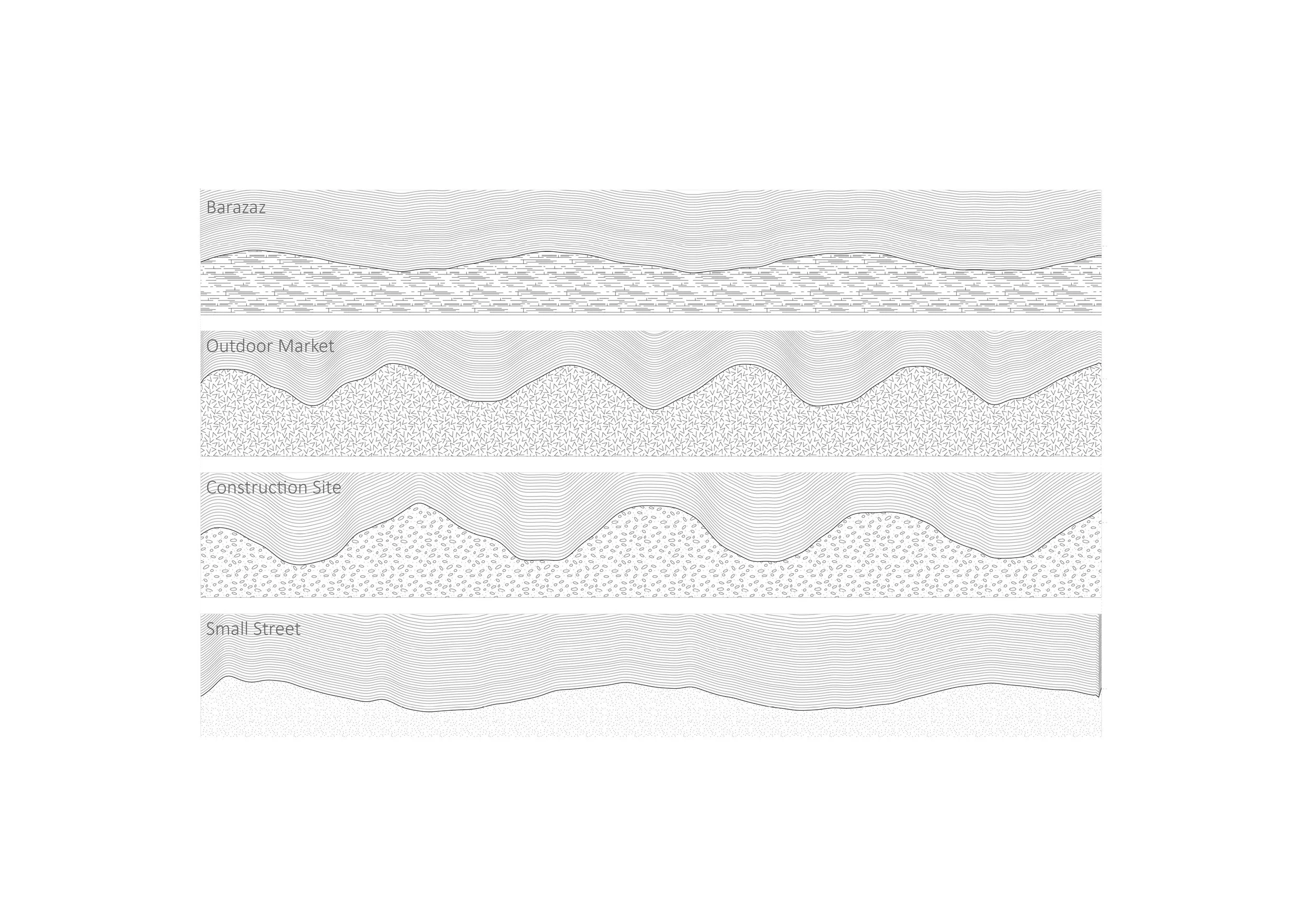
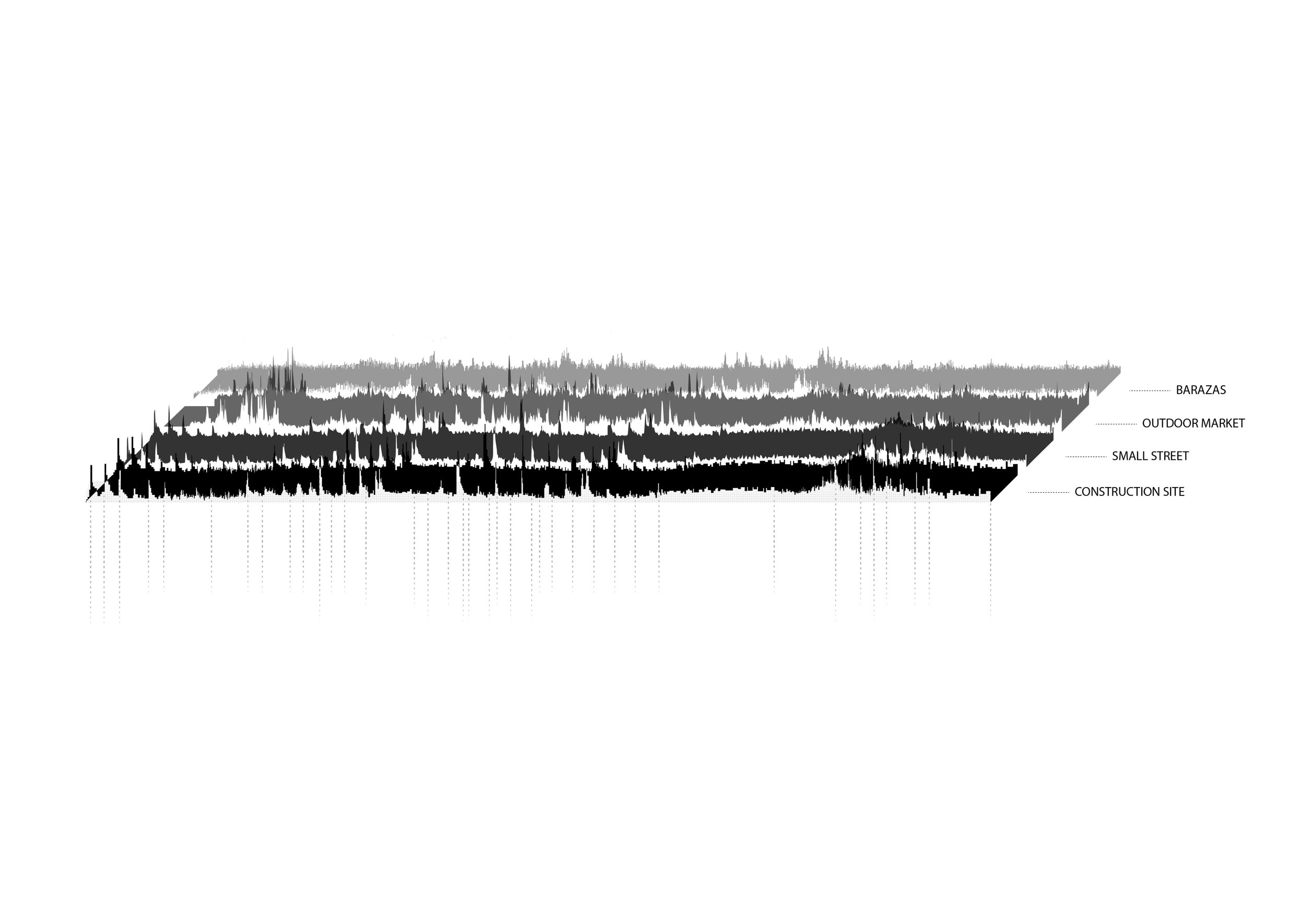
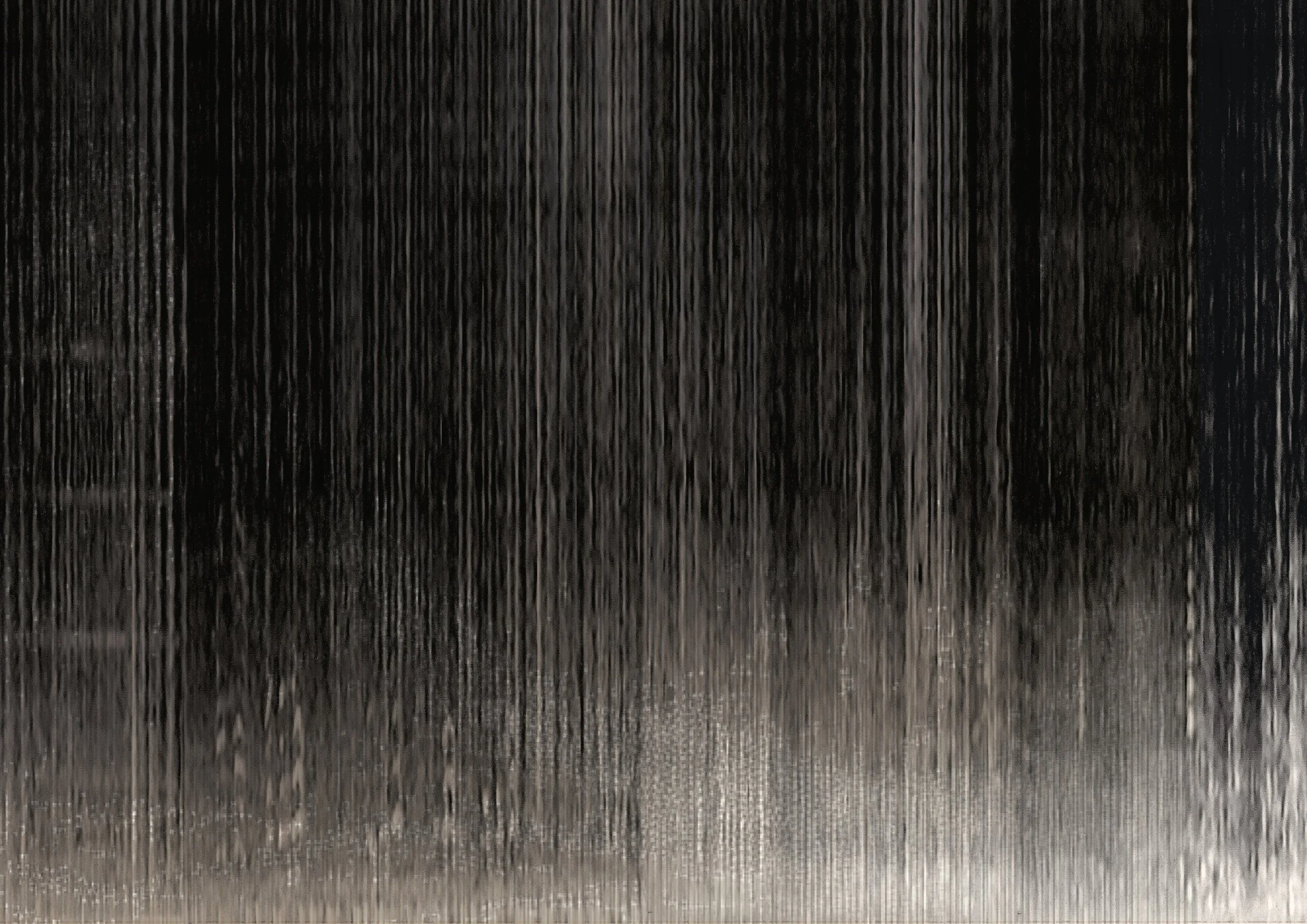
Rather than producing documentary representation, the project constructs sensory interpretations of place. Visual compositions emerge as echoes of sonic environments — abstract translations of rhythm, vibration, density, and atmosphere. Through this process, sound operates as both archive and generator of spatial imagination, allowing the invisible character of the island to surface beyond conventional visual narratives.
GENERATIVE SPACE & COLLECTIVE MEMORY |
Extending beyond recording and representation, the project investigates how sound can generate immersive spatial experiences and alternative forms of mapping. Frequencies, rhythms, pauses, and tonal textures are translated into generative visual systems, speculative terrains, and atmospheric spatial compositions. Sonic information becomes material for constructing environments where collective memory acquires spatial presence.
The resulting visual-sound series behaves like a living cartography — a terrain shaped not through borders or fixed geography, but through resonance, interaction, and shared experience. Layers of sound become layers of identity, revealing how cultures overlap, negotiate, and coexist within the same sonic environment.
Through participatory engagement, the project emphasizes sound as communal knowledge rather than isolated observation. Listening becomes an act of connection capable of dissolving distinctions between observer and participant, local and visitor, self and environment. The generated spaces and visual interpretations therefore emerge not as individual narratives, but as collective sensory archives continuously evolving through exchange.
REFLECTION |
The Soundscapes of Zanzibar proposes sound as a subtle yet powerful medium for understanding place, identity, and belonging. By shifting attention away from purely visual perception, the project reveals how territories are emotionally and culturally constructed through frequencies, atmospheres, and shared sensory experiences.
What emerges is a multidimensional portrait of Zanzibar — not fixed, singular, or bordered, but fluid, layered, and continuously resonating through collective memory. Through sound, participatory processes, and generative spatial translations, the project reimagines identity as something relational and constantly negotiated, inviting new ways of sensing connection across cultures, communities, and environments.